

Full Mouth Rehabilitation: Who Needs It and What to Expect

Quick Answer
Full mouth rehabilitation is a complete dental treatment plan for people with several dental problems at once. Not one tooth. Many. It combines treatments like crowns, implants, root canals, fillings, and gum care, based on what your mouth actually needs. This isn’t a single fix. It’s a full plan, built step by step.
Doctors first treat urgent problems, then move on to restoring the rest. Timing varies a lot – some cases finish in weeks, others take a few months. If chewing, talking, or your smile has been affected for a while, this treatment brings it all back together.
If multiple teeth in the mouth are badly damaged, decayed, excessively worn, or have frequent dental problems, treating each tooth separately may not always be the best solution.
In such situations, dentists refer to Full Mouth Rehabilitation or full mouth reconstruction. It is a comprehensive dental treatment that restores the health, function, comfort, and beauty of the teeth, gums, and jaws in the mouth.
What is Full Mouth Rehabilitation?
Full mouth rehabilitation is a unique master treatment plan designed for those with multiple problems in different parts of the mouth. This is not a single treatment. A dentist offers a variety of treatments combined depending on the patient’s dental needs. Among these:
- Dental Crowns
- Dental Bridges
- Dental implants
- Fillings, root canal treatment
- Gum Treatment
- Dentures
- Correction of bite
The combination of these treatments varies depending on the needs of each patient. Its main purpose is to treat the entire mouth as a single unit without looking at the problems separately.
Who needs full mouth rehabilitation?
This treatment is considered when there are serious difficulties in chewing, talking, laughing, or maintaining oral health. This may be necessary especially for those with the following problems:
Multiple tooth decay or damage: Over time, tooth decay can spread and damage many teeth. Some may require fillings, others may require caps or a root canal.
Tooth wear: A habit of biting teeth during sleep (Grinding) or eating acidic foods can cause teeth to wear out, become smaller, and cause tooth sensitivity and pain.
Too many teeth falling out: The loss of teeth not only makes it difficult to chew food, but also the adjacent teeth tilt towards the empty side.
Frequent dental problems: If you often go to a dentist near me with different dental problems, it’s a good idea to have a thorough oral exam.
Major Accidents or Tooth Destruction: When teeth are severely damaged due to accidents, injuries, or neglect of dental problems for a long time, this treatment may be necessary.
Bite problems: When the teeth are damaged, there may be changes in the way the upper row and lower row of teeth meet (Bite), and jaw pains may occur.
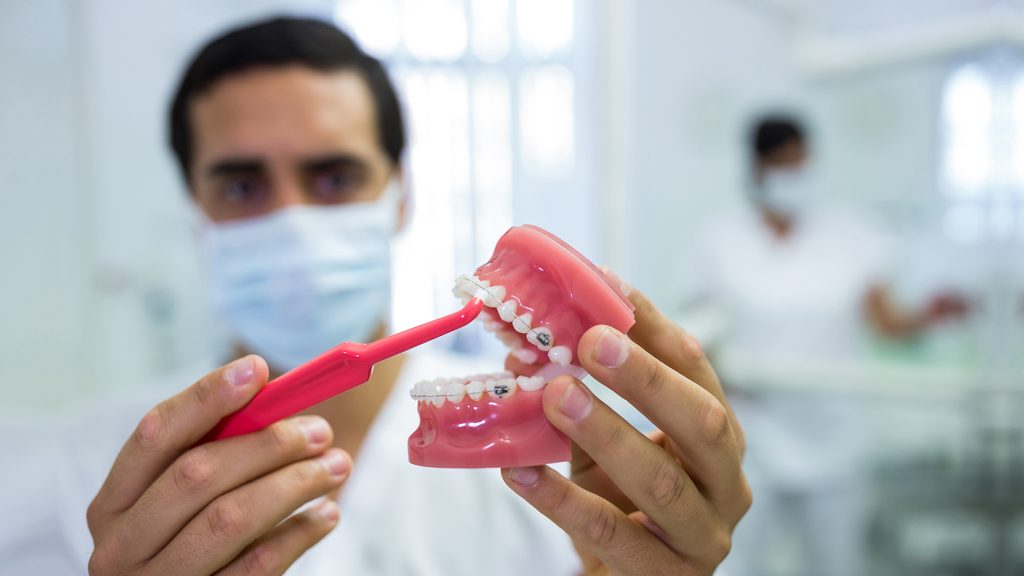
Treatment: Step-by-Step Process
Full mouth rehabilitation is a methodical procedure. Capping or teeth implantation is not done immediately.
- Initial Consultation: The doctor will ask about your dental history, previous treatments, and major problems you have (difficulty chewing, toothache, lack of laughter, etc.).
- Comprehensive Dental Examination: This part is about X-rays and digital scans. The teeth, gums, jawbone, and bite condition are thoroughly evaluated through X-rays, digital scans, and photos.
- Identification of problems based on priority: First, emergency treatments are done. Not all problems can be treated at once. If there are early infections, the urgent ones like extraction, root canal, or gum treatments are completed.
- Designing a Master Treatment Plan: This is about a clear plan and budget forecast. A special treatment plan will be prepared for you based on the tests. Details of treatment sequence, time taken, and costs are explained in advance.
- Laying a Basic Health Foundation: Before installing new teeth, the cavities in the existing teeth are removed, root canals are made where necessary, and the gums are made healthy.
- Renovation of damaged teeth (Restoration): This includes caps and fillings. After initial treatments are completed, fillings or dental crowns (caps) are attached to the damaged teeth to bring back the shape and strength of the tooth.
- Replacing missing teeth: This stage includes Best Implants and Bridges treatment in KPHB, Kukatpally. New teeth are replaced with dental implants, bridges, or dentures in place of missing teeth.
- Bite checking: For convenient chewing, doctors check whether the upper teeth and lower teeth are meeting properly or not. If there is any difficulty in chewing, small adjustments are made.
- Final Finishing and Smile Assessment: This is the final observation. The tooth shape, colour, fitting, and outline of your smile will be examined, and the treatment is completed.
How long does full mouth rehabilitation take?
There is no specific time for this. It depends on the severity of the problems and the treatments needed. Healing time can also take a few weeks to a few months, including gum treatment, root canals, and implants.
Is there pain during this treatment?
Adequate Local Anaesthesia is given during treatment, so you don’t feel any pain. There may be mild discomfort or tenderness for a few days after the treatment is completed, for which the doctor prescribes the appropriate medication.
Precautions to be taken after treatment
Proper dental care is essential for full-mouth rehabilitation results to be long-lasting. Those include:
Brushing twice a day.
Cleaning the middle parts of the teeth by flossing.
Avoiding biting hard materials
Using a ‘night guard’ if you have a habit of biting your teeth during sleep.
Going for a dental check-up regularly every 6 months.
Why is planned treatment important?
Treating each tooth in the mouth separately can damage the entire oral bite (Bite). Planned full-mouth rehabilitation will clarify which treatment should be done first, what should be done next, and how the teeth should function.
Conclusion
Having more than one dental problem does not mean everyone needs full-mouth rehabilitation. Only through a proper dental check-up will you know what kind of treatment your teeth need.
If you have trouble chewing or many teeth are damaged. Consult a Toot Dental specialist for a comprehensive dental exam and get your smile healthy again.
Frequently Asked Questions (FAQs) on Full Mouth Rehabilitation
Not everyone. People with decay in many teeth, missing teeth, or regular bite problems may need this.
No, not during treatment. We use anesthesia. You might feel mild soreness for a few days after, especially with implants or root canals.
It depends on your case. Small cases are quick. Bigger cases need healing time and can take weeks to a few months.
We treat urgent problems first. The rest is done step by step. Nothing is rushed.
Yes. We check tooth shape, color, and bite before finishing. The goal is a natural smile that looks like you.
Not at all! There’s no age limit for orthodontic care. Many adults over 50 choose braces or clear aligners for improved function and confidence.
Yes, orthodontic treatment is generally safe during pregnancy. However, it’s important to inform your orthodontist, especially before taking any X-rays or medications.
Get Instant Call Back

Whether the tooth is badly damaged
Pain from wisdom teeth comes on suddenly. You may feel fine...
Full Mouth Rehabilitation: Who Needs It and What to Expect
Quick Answer
Full mouth rehabilitation is...
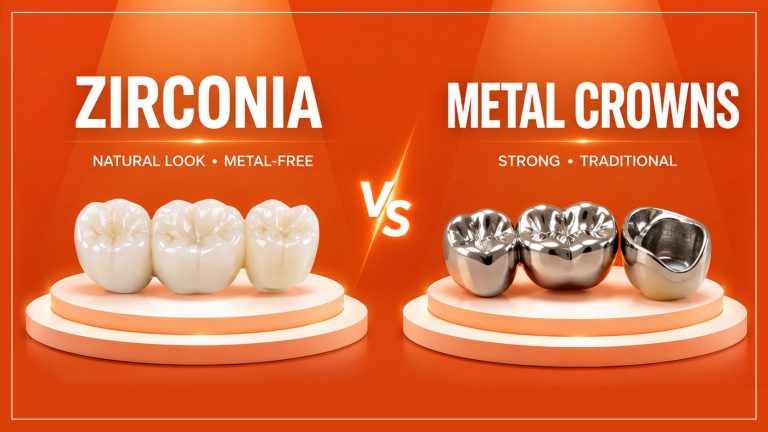
Whether the tooth is badly damaged, weakened, broken, or has a big filling… To preserve it, dentists...
No posts found