
Have you ever looked at your child’s smile and wondered if their teeth are growing in the right way, or braces could enter in their early life?
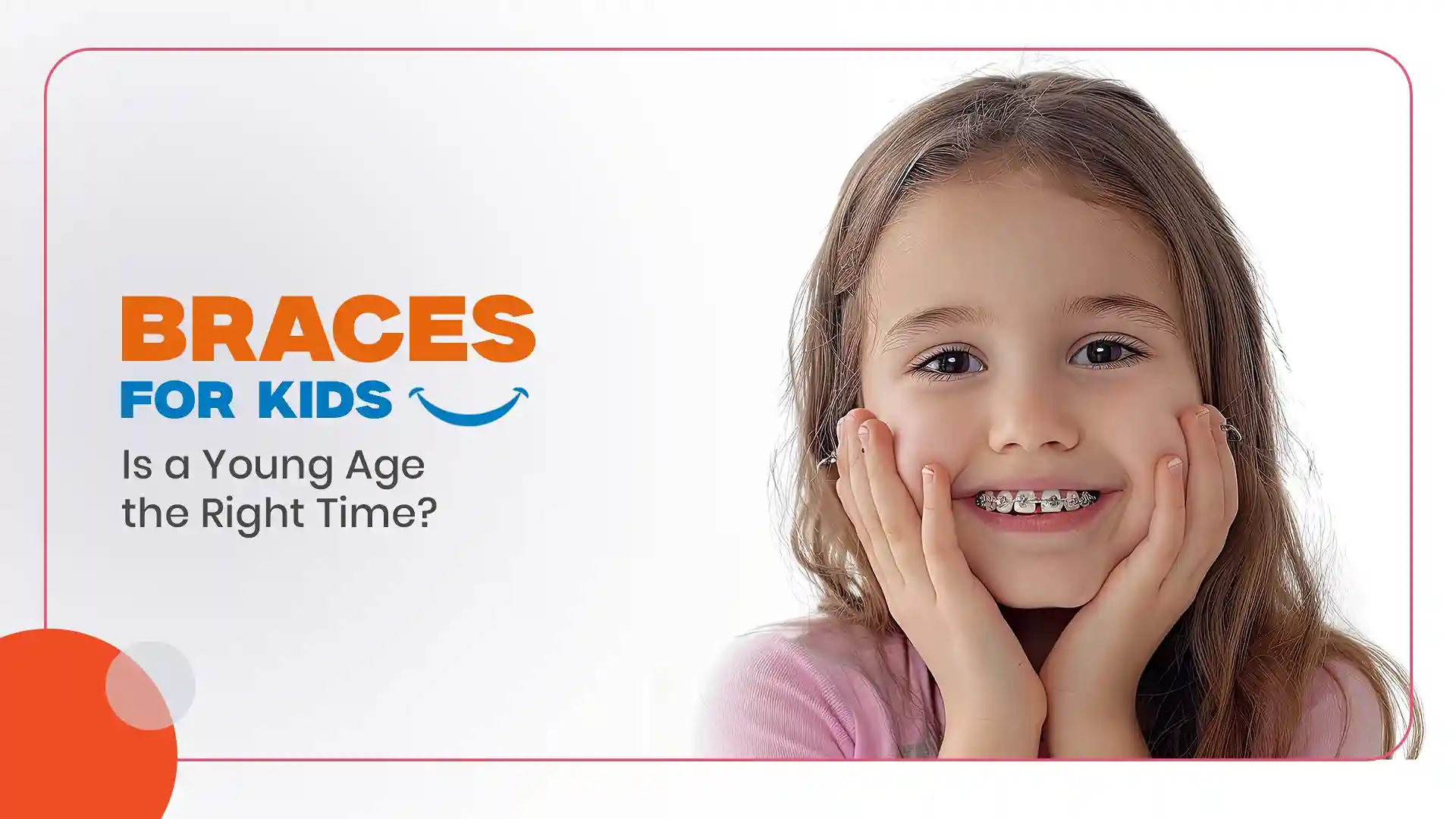
Braces for children have become a very common dental treatment nowadays. Many parents feel worried when they hear that their child may need braces for a reason, but it is completely normal. Actually, braces are not only used to adjust the look of a child. They help in chewing better, speak clearly, and keep teeth healthy for life. This blog explains why braces for children are important in a few cases in a clear and simple way, so parents can understand every step without confusion.
Table of Contents
- What Are Braces
- Why Do Kids Need Braces
- How to Know Your Child Needs Braces
- Types of Braces
- What Happens at the First Orthodontist Visit
- How Long Does My Child Need to Wear Braces
- How Do We Care for Braces of a Child
- What Is the Best Age to Get Braces for a Child
- Cost of Braces
- When to Visit a dentist
- Summary
- Dental Care at Toot Dental
- FAQ
What Are Braces
Braces are regular dental tools used to rearrange teeth into the right position. They slowly apply pressure to teeth so they can become straight and properly aligned in no time. It also helps guide the growth of the jaw in children. They are usually made of small brackets, wires, and bands. Over time, these parts work together to improve the position of teeth and fix bite problems. Braces become nowadays, they are used by the people of all age groups.
Why Do Kids Need Braces
Children may need braces for various reasons. When teeth are crooked or crowded, they become harder to clean and brush, which can lead to forming cavities and gum issues eventually. Some children might have bite and chew problems where the upper and lower teeth do not line up properly. This can cause pain, difficulty while chewing, or even trouble with speech.
Using braces at an early stage helps in correcting these problems before they become a serious problem. Early treatment can reduce the chance of bigger dental issues in the future. It also helps improve a child’s smile, which can boost their confidence as they grow bigger.
Here are the 10 main reasons for why do kids need braces;
- To straighten crooked teeth
Some kids’ teeth grow uneven or crowded. It helps place them rearrange in the right position. - To fix bite problems
When upper and lower teeth do not meet properly, it helps correct the bite. - To make eating easier
Straight teeth will help children chew food properly without any issue. - To stop teeth from wearing out early
Crooked teeth rub against each other everytime when they get closer and this can wear down teeth faster. - To reduce jaw pain
A bad bite can cause jaw pain. It helps balance the pressure on the jaw. - To improve clear speech
Teeth play a role in speaking. Proper alignment can help with pronunciation. - To make brushing and cleaning easier
Straight teeth are easier to brush and clean, which reduces the risk of cavities. - To prevent future dental problems
Fixing teeth early helps avoid bigger problems later in life. - To build confidence
A healthy, straight smile helps children feel more confident. - To guide healthy jaw growth
During growing years, it helps the jaw develop in the right way.
How to Know Your Child Needs Braces
Some signs can be noticed easily at home. If your child’s teeth look crowded, bent, or have big gaps between them, it might be needed. Other signs include trouble while biting or chewing food, breathing through the mouth often, or thumb sucking that continues for a long time. You may also notice that the jaws do not move evenly or that teeth are coming in too early or too late.
Even if you are not sure about these signs, a simple visit to the dentist can help. The dentist can check your child’s teeth and clearly tell whether braces are needed or not.
Types of Braces
There are 4 different types of braces available for children.
Metal braces are the most common and strongest type. They are very effective and often the most affordable.
Ceramic braces look similar to teeth and are less noticeable.
Lingual braces are placed behind the teeth and are hidden from view, but they are not very common for children.
Clear aligners are removable trays and are suitable only for older children with simple dental problems.
What Happens at the First Orthodontist Visit
The first visit is usually simple and not painful as you expect. The orthodontist checks your child’s growing teeth, Early jaw, and bite. X-rays and photos may be taken to see how the teeth are growing. The doctor explains if braces are needed now or later. A treatment plan, time period, and cost are discussed. Parents can ask questions and clear all doubts during this visit.
How Long Does a Child Need to Wear Braces
The time needed for braces for children depends on the dental problem each child has. Most children wear braces for about one and a half to two years. Mild issues may need less time, while more serious cases can take longer. Regular check-ups and proper care help keep braces for children on schedule. Since every child’s teeth move at a different pace, patience is an important part of the process.
How Do We Care for Braces of a Child
Good care is very important when a child has braces. Teeth should be brushed after every meal to remove food stuck around brackets. Flossing should be done daily with special tools if needed. Hard brushing should be avoided. Hard, sticky, and sugary foods should be avoided to protect braces from the damage. Regular dental visits might help to keep teeth healthy during the treatment phases. Parents should guide and support their children in daily cleaning, eating and brushing habits. Every parent receives instructions from the consulting doctor, following those instructions are mandatory to take care of the child’s teeth growth and health.
What Is the Required Age to Get Braces for a Child
Most children should see an orthodontist by the age of seven. This does not always mean braces will start immediately. It helps the doctor watch how teeth and jaws are growing. Many children get braces between nine and fourteen years of age. At this time, permanent teeth are present and jaw growth can be guided easily. Early care can reduce treatment time later.
Cost of Braces
The cost depends on the type used and how long treatment lasts.
| Type of Braces | Cost Range (₹) | Notes |
| Metal Braces | 30,000 – 60,000 | Most affordable and commonly used |
| Ceramic Braces | 50,000 – 90,000 | Less visible than metal braces |
| Clear Aligners | 70,000 – 1,50,000 | Removable and more comfortable |
| Lingual Braces | 90,000 – 2,00,000 | Placed behind the teeth |
Note:
The final cost can change based on how complex the dental problem is and how long the treatment lasts. Many clinics offer easy payment options to help families manage the cost. Although braces may feel expensive at first, they help avoid future dental issues and save money in the long run.
When to visit a dentist?
Regular dental visits are very important for children, even if they do not complain about any pain. A child should see a dentist when their first tooth appears by their first birthday. After that, visiting the dentist every six months once helps keep their teeth and gums growing healthy and strong.
Parents should take their child to a dentist if they notice tooth pain, cavities, bleeding gums, swelling, or difficulty while chewing and bad smell coming out from the mouth. Thumb sucking, mouth breathing, or crooked teeth are some of the major signs that a dental check-up is needed.
Early dental visits help children feel comfortable at the clinic and reduce fear over time. Regular visits also help dentists guide proper tooth growth and prevent future problems. Choosing a best dental clinic in Hyderabad ensures children receive gentle care and proper guidance.
Summary
Braces for children help create healthy teeth, proper bites, and confident smiles. They fix dental problems early and reduce the risk of serious issues later in life. By understanding the need, types, process, and care of braces, parents can make calm and informed decisions. With the right support, braces can be a smooth and positive experience for every child.
Dental Care at Toot Dental
Toot Dental is one of the well-known best dental clinic in Hyderabad and offers dental care for people of all age groups. With more than 8 clinics, 50+ experienced dentists, Toot Dental treated more than 1 lakh patients in Hyderabad. If your child is facing any dental issue, plan a visit to the nearest clinic and get it checked early. Visit our Clinic